
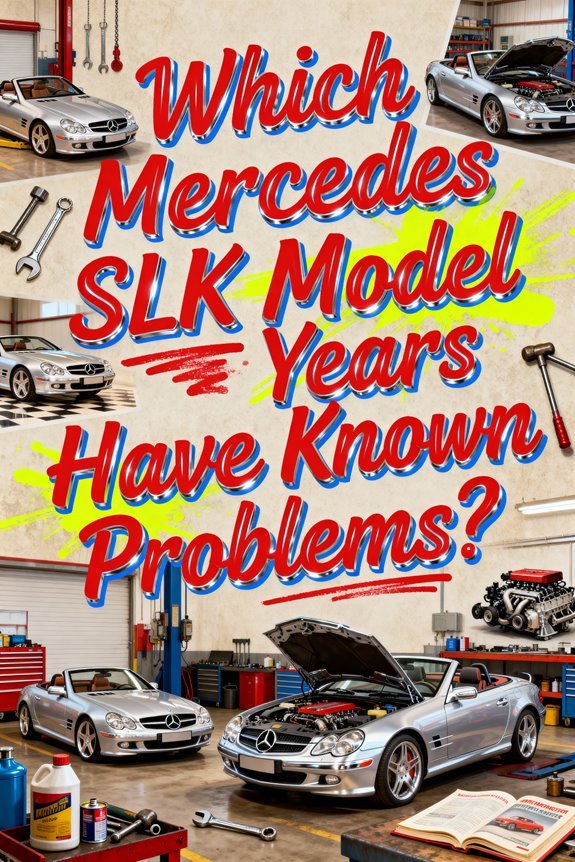
You’ll encounter the most severe issues with 2004-2011 SLK models suffering catastrophic M271 and M272 timing chain failures, often before 50,000 miles. The 1996-2004 R170 generation experiences systematic folding roof malfunctions across electrical, hydraulic, and mechanical systems. Later 2011-2016 R172 models face widespread electronic sensor failures and critical rear subframe corrosion. The 2001-2004 SLK320 specifically shows defective brake light switches around 98,000 miles, triggering ESP/BAS warnings. Post-2015 SLC models demonstrate persistent electronic architecture vulnerabilities requiring specialized diagnostics to properly address.
Early SLK 200 and 350 V6 Timing Chain Failures (2004-2011)
The Mercedes-Benz R171 SLK generation, produced from 2004 to 2011, exhibits documented timing chain failures across both the M271 four-cylinder (SLK 200) and M272 V6 (SLK 350) engines. You’ll encounter rattling or tapping noises during cold start, particularly in M271-equipped models. These failures occur at surprisingly low mileage—sometimes under 50,000 miles—contradicting the “lifetime component” designation. The chain stretches over time, causing misaligned timing marks and progressive noise deterioration. Mechanics diagnose these issues by removing valve covers to inspect tensioner function, sprocket wear, and guide condition. Oil quality directly impacts component longevity; inadequate maintenance accelerates degradation. Repair requires partial engine disassembly, including valve cover and camshaft access. Aftermarket solutions from manufacturers like INA and Febi Bilstein provide cost-effective alternatives to genuine Mercedes parts, which can exceed €2000 for complete timing chain kits. No official recall exists, though independent shops routinely service these failures. Preventive measures include strict adherence to oil change intervals using manufacturer-specified lubricants.
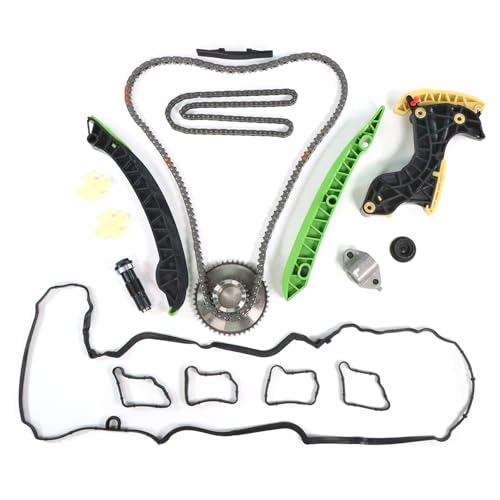
【Vehicle Compatibility】:Autodevil Timing Chain kit ensures a perfect fit and seamless integration with the engine, providing reliable timing part perfit formance.Fit for 2012-2014 C250 1.8L 1796CC; for 2012-2014 SLK250 1.8L 1796CC; for 2012 C250 2.5L 2496CC; for 2012 C250 3.5L 3498CC.

Replaces part numbers: A2710521416, 2710521416

Application: Compatible with Mercedes Benz M271, fit CLK 200 KOMPRESSOR 200 CGI (C209) C180K; C200K; C230K (W203) C SportCoupe C 160K C180K; C200K; 230KC; E 200K (W211); SLK 200K (R171);C 180K (W204) CLC 180K; CLC 200K; C 180 CGI; C 200CGI; C 250CGI (W204) E 200CGI; E 250CGI (W212、C207)
First-Generation R170 Models and Folding Roof Problems (1996-2004)
Between 1996 and 2004, Mercedes-Benz R170 SLK owners experienced systematic folding roof failures stemming from electrical, hydraulic, and mechanical components working in concert. You’ll find electrical power loss to roof switches despite intact fuses, while dislodged wiring and sensor malfunctions—particularly luggage divider microswitches—routinely disable motor operation. Hydraulic pump failures and decreasing fluid levels cause roof stalling and headliner staining from leaking cylinders. Mechanical jamming occurs from misalignment, debris accumulation, and binding latch mechanisms. The roof typically exhibits clanking noise upon release when lock mechanisms fail to disengage properly at specific points during operation. Regular folding roof inspection identifies corroded electrical connectors, worn hydraulic seals, and stretched cables before catastrophic failure. Effective roof maintenance tips include monitoring fluid levels, verifying sensor engagement, and checking for hose degradation. Visual inspection often supersedes diagnostic machines for identifying stuck mechanisms and wiring faults in these aging systems.


Material NITRILE 70 RUBBER O-RING......... ROD Seals

Material NITRILE 70 RUBBER O-RING......... ROD Seals
SLK320 Brake Light and Convertible Top Issues (2001-2004)
During the 2001-2004 model years, SLK320 owners face cascading electrical failures originating from a defective brake light switch that disrupts multiple vehicle systems simultaneously. This switch typically fails around 98,000 miles, triggering ESP/BAS warnings, transmission park lock, and convertible top issues. You’ll notice brake lights failing to illuminate or remaining constantly lit, draining your battery. The faulty switch sends incorrect signals to interlock systems, preventing gear shifts and disabling convertible top operation. Corrosion on bulb contacts compounds diagnosis difficulty, as dealers often replace bulbs and housings without addressing the root cause. Replacement costs $115-$160 for the switch alone, positioned under the steering column. Diagnostic scans reveal ABS and traction control warnings stemming from this single component failure. Professional diagnosis typically costs $137 to $201, ensuring technicians identify the brake light switch as the underlying issue rather than pursuing unnecessary repairs.

[Vehicle Fitment-1]: Compatible with Chrysler Crossfire 2004-2008; Compatible with Dodge Sprinter 2500/3500 2003-2006; Compatible with Mercedes-Benz C230 1998-2000, C280 1997/1999-2000, C43 AMG 2000, CL500/S430/S500 2000-2006, CL55 AMG/CL600/S55 AMG/S600 2001-2006, CL65 AMG 2005-2006, CLK320/CLK430/ML320/ML55 AMG 2000-2003, CLK55 AMG 2001-2003, E320/E430/E55 AMG 2000-2002, G500 2002-2008, G55 AMG 2003-2011, G550 2009-2022, G550 4x4 2017-2018, G63 AMG 2013-2022
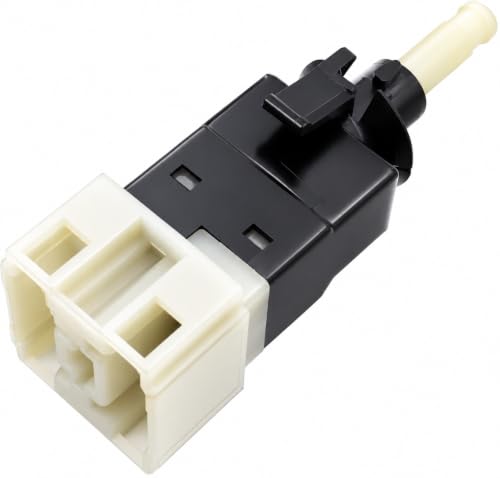
【Applicability】The part compatible with Mercedes-Benz 1999-2000 C230 1999-2000 C280 1999-2000 C43 AMG 2000-2003 CLK320 2000-2003 CLK430 2001-2002 CLK55 AMG 2000-2003 E320 2000-2002 E430 2000-2002 E55 AMG 2002-2008 G500 2003-2010 G55 AMG 2009-2010 G550 1999-2003 ML320 1999-2001 ML430 2002-2005 ML500 2000-2003 ML55 AMG 2001-2004 SLK230 2002-2004 SLK32 AMG 2001-2004 SLK320 .Please carefully check your vehicle year/make/model by using the part finder/compatibility

Optimal Performance & Durability: Crafted from high-quality plastic and metal, this brake light switch ensures reliable operation and extended service life under 12V automotive conditions.
2015 Model Year Camshaft Adjuster Wear
While electrical gremlins plague early SLK models, mechanical failures dominate the 2006-2008 SLK280’s reliability profile through camshaft adjuster deterioration. You’ll encounter fault codes P0019 and P0025 indicating timing system compromise, with repair costs ranging from $2,500 for exhaust cam replacement to $6,000 for complete timing chain overhauls.
The variable valve timing system‘s solenoid failures create cascading wear patterns that accelerate timing chain degradation. Symptoms manifest as rough idling, hesitation, and Check Engine Light illumination. Inadequate camshaft lubrication exacerbates adjuster wear, making regular adjuster inspection critical for early detection. The lock pin assembly deteriorates through repeated engagement cycles, allowing the vein to move erratically within the timing chain sprocket housing.
Service bulletins address these failures, though resolution success varies. You’ll need preventative maintenance focusing on timing component monitoring to avoid catastrophic engine damage. These models require vigilant mechanical oversight beyond standard service intervals.
Second-Generation R172 Reliability Challenges (2011-2016)
The second-generation R172 (2011-2016) introduces systematic failures across exhaust components, with manifold rattling affecting multiple model years through deteriorated vibration dampers. You’ll encounter exhaust manifold issues requiring component replacement, Y-section cracking, and SLK55 AMG-specific valve actuator faults. The electric folding hard-top demonstrates poor roof mechanism reliability—boot space divider latches fail to engage, causing roof jams and operational disruptions. Deteriorated rubber seals produce squeaking, wind noise, and water ingress that damages door control modules. Electronic systems exhibit widespread sensor failures: ABS speed sensors, MAF sensors, and road sign recognition cameras malfunction frequently. Engine performance issues include unexpected shutdowns traced to crankshaft position sensor malfunctions and related circuit problems. Rear subframe corrosion emerges on higher-mileage examples, threatening structural integrity. AMG wheels corrode prematurely, while headlight yellowing and paint wear around roof edges indicate material degradation across the model range.

Direct replacement - engineered to match the fit, function and performance of the original gasket(s) and hardware required to attach the exhaust manifold to the cylinder head
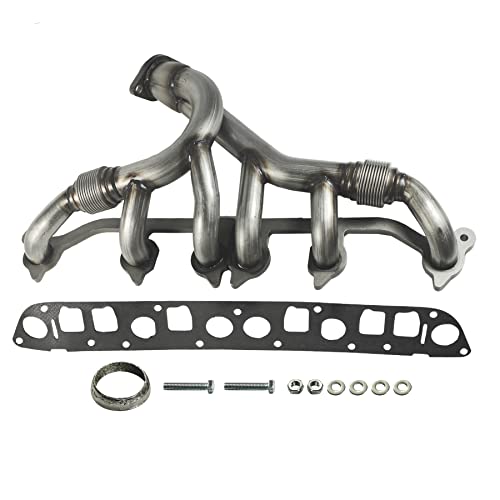
Pipes Have Been Upgraded To Stainless Steel; Flex Joints & Flange Still Made Of Standard Steel For Natural Thermal Expansion/Contraction

Ideal replacement - this exhaust manifold was precision-engineered and durably manufactured to match the fit and function of the stock manifold on specified vehicles
Thermostat Failures Across Early Model Years
Early Mercedes SLK models, particularly the R170 generation (1996-2004), experience systematic thermostat failures that compromise cooling system integrity and engine performance. Thermostat wear manifests through degraded rubber bladders and valve components, causing valves to stick either fully closed—triggering rapid overheating to 120°C—or open, resulting in ineffective cabin heating and prolonged warm-up times exceeding five minutes. You’ll encounter dashboard warnings including “Coolant Overheating” alerts and temperature sensor fault codes. Contaminants in the cooling system and insufficient coolant maintenance accelerate mechanical failure rates. Prompt replacement with OEM components prevents catastrophic engine damage. Following thermostat installation, you should perform a complete coolant flush to eliminate air pockets and debris. Preventive thermostat replacement during scheduled maintenance intervals—particularly radiator hose or timing belt service—reduces unexpected failure incidents considerably. Professional workshops conduct comprehensive diagnostic tests including functionality checks, fault code analysis, and electrical circuit inspections to identify the root cause without unnecessary part replacements.
Electrical System and Water Ingress Problems
Mercedes SLK electrical systems exhibit chronic vulnerability to water intrusion, creating cascading failures across multiple vehicle subsystems. You’ll encounter intermittent alarms and dash lights in 1998 SLK 230 models, often stemming from combination control module defects. Water ingress primarily occurs through convertible top misalignment, degraded seals, and stiff bellows affecting roof switches. This creates a diagnostic challenge where battery drain mimics other electrical faults.
Early model years (1998-1999) demonstrate the highest failure rates. You’ll observe multi-system breakdowns affecting windshield washers, wipers, and power windows simultaneously. The roof mechanism’s complexity exposes electrical components to moisture, compounding issues. Corrosion on PSE terminals commonly triggers inoperative turn signals, power locks, and convertible top failures. Regular fuse checks and wiring diagram analysis prove essential for diagnosis. Pre-purchase inspections must verify seal integrity and electrical functionality, as repair costs escalate considerably due to system interdependencies.
Rear Subframe Corrosion on Early 2000s Models
While electrical vulnerabilities plague SLK models through moisture exposure, structural degradation presents an equally severe concern in early 2000s variants. The R171 generation (2004-2007) exhibits critical rear subframe corrosion, with documented cases extending to 2009 models. This internal deterioration often progresses undetected during standard inspections, as rust initiates within closed box sections rather than visible surfaces.
Corrosion detection requires proactive methodology: utilize boroscope inspection through existing drain holes and implement regular undercarriage examinations. Maintenance tips include applying anti-corrosion treatments through accessible ports before degradation begins. Vehicles with minimal winter use and no coastal proximity demonstrate significantly better preservation, as evidenced by inspections of higher-mileage examples showing no rust through damage. Replacement costs exceed £3,000 at dealerships, though Mercedes-Benz has authorized goodwill repairs for qualifying cases. No official recall exists, yet documented MOT failures citing “too dangerous to drive” classifications underscore the severity. Early detection remains your primary defense against catastrophic structural compromise.
Post-2015 SLC Electronic and Roof Mechanism Faults
Following Mercedes-Benz’s 2016 rebranding of the SLK to SLC, electronic architecture vulnerabilities emerged as the dominant failure category, affecting critical vehicle systems with demonstrable frequency. Unresponsive infotainment systems, audio failures, and malfunctioning power accessories indicate ECU degradation and wiring faults. Factory-issued recalls addressed improperly manufactured fuses causing complete electrical shutdowns and safety system failures.
The convertible roof mechanism exhibits parallel failure patterns through sensor malfunctions, panel operation errors, and intermittent system stops. Software bugs compound these issues, while corroded battery terminals and loose connections trigger cascading electrical instability. Dim headlights or flickering interior lights suggest failing alternator components requiring immediate attention.
You’ll need professional electrical diagnostics using manufacturer-specific tools to identify fault codes. Software updates resolve infotainment glitches, while preventive roof maintenance—including seal inspections and mechanical lubrication—prevents water intrusion and component degradation. Verify open recall status immediately.

1. Soft Flocked Surface & Ergonomic Support: Soft velvet-flocked top delivers a cozy, skin-friendly sleeping surface; ergonomic wave-shaped cushioning evenly distributes body weight for back and side sleepers, reducing spinal pressure during long drives.

Practical Function: Due to the strong permeability of oil, it is difficult for the contact surface between the oil drain screw and the oil sump to match perfectly, which may lead to oil leakage. Our oil plug gasket can fill the gap between the two to ensure the integrity of the seal, so as to maintain the normal operation of the engine and extend its service time

A cost-efficient and time-saving alternative to purchasing each component separately