

You’ll want to avoid Honda CR-V models from 1997-1999, 2002-2003, 2007-2009, and 2017-2019, as these years experienced the most significant problems. The issues range from ignition failures and transmission defects to engine stalling and oil dilution problems. The third generation (2007-2011) had particularly high maintenance costs, with some repairs reaching $5,000. Understanding specific mechanical issues and warning signs can help you make a smarter purchasing decision.
Most Troubled Model Years at a Glance
Four major trouble periods plague the Honda CR-V’s history, spanning model years 1997-1999, 2002-2003, 2007-2009, and 2017-2019.
The 1997-1999 issues centered on ignition switch failures and electrical shutdowns, putting drivers at risk of sudden engine stalls. In 2002-2003, you’ll find transmission defects and excessive oil consumption that could lead to engine damage. The 2007-2009 generation suffered from engine stalling, unwanted acceleration, and severe frame corrosion affecting rear suspension integrity. Power window switches in the 2002-2003 models posed significant fire hazards due to electrical malfunctions.
The 2017-2019 problems marked a new era of complications with the turbocharged 1.5L engine. These recent models experienced oil dilution issues that compromised engine longevity and performance. You’ll want to check if any outstanding recalls affect your vehicle, as proper maintenance greatly impacts reliability across these troubled years.
Major Mechanical and Safety Issues by Generation
While Honda CR-V generations have evolved considerably, each era brought distinct mechanical challenges that owners should monitor. First-gen models (1997-2001) suffered from engine reliability issues, while 2017-2019 versions faced serious oil dilution problems in their turbocharged engines. The fourth generation’s VTC actuator created cold-start rattling, particularly in 2013-2015 models. The third generation experienced unwanted acceleration when braking, creating significant safety risks for drivers.
Electrical faults plagued early 2000s and late 2000s CR-Vs, with dashboard failures and window switch problems creating safety concerns. Similar to the Honda Pilot’s transmission failures in 2003 and 2005 models, transmission troubles varied by generation, from unexpected neutral shifts in first-gen models to CVT issues in mid-2010s versions. The Takata airbag recall affected multiple generations between 2002-2019, requiring critical safety updates and presenting serious risks of airbag malfunction or unexpected deployment.

Contains: Torx bit, OEM Style VTC spring and Upgraded Stronger VTC spring *Please verify your vehicle fitment prior to ordering *These are labelled for the North American market

Complete Replacement Kit: This 14-piece set includes 2 lower engine cover pin screws, 6 splash shield bolts, and 6 skid plate clips. It provides a masterfully crafted signature accessory solution for maintaining your vehicle's underbody protection

Fitment: Compatible with 2002-2005 Honda Civic L4 2.0L, 2002-2004 Honda CR-V L4 2.4L
Cost Impact and Repair Expenses Over Time
Although Honda CR-Vs are known for reliability, their repair costs can vary greatly across model years and generations. Early third-generation models (2007-2011) face the highest maintenance costs, with some engine repairs reaching $5,000, while fourth-generation models (2013-2016) average $350-$414 annually in maintenance. The fourth generation’s 2.4L inline-4 engine delivered improved efficiency and lower repair needs compared to previous models.
Maintenance trends show that newer fifth-generation CR-Vs (2019-2021) benefit from improved reliability and fewer mechanical issues, though their advanced systems can be costlier to repair when problems occur. You’ll find repair frequency increases with vehicle age, particularly in models with unaddressed recalls like the Takata airbag issue. Third-generation vehicles had multiple recalls affecting repair expenses, while newer models from 2015 onward show fewer recall-related costs but may require more specialized maintenance for their advanced features.

Perfect Fit for Target Models: Exclusively designed For Honda CR-V 2017-2022, compatible with original bumpers, modified bumpers, and Japanese-spec bumper reinforced buckle brackets.

Step-by-step procedures written from a complete teardown and rebuild, giving you the confidence to tackle repairs at any skill level.

Step-by-step procedures written from a complete teardown and rebuild, giving you the confidence to tackle repairs at any skill level.
Recall History and Safety Implications
Throughout Honda CR-V’s history, significant safety recalls have impacted multiple model years, with air bag inflator defects being the most critical concern. The 2011-2013 and 2016 models faced serious risks from defective inflators that could rupture during deployment, potentially causing severe injury or death.
Recent recall trends show expanding issues, particularly with fuel pump failures in 2018-2020 models, including hybrids. These defects can cause dangerous engine stalls while driving. Earlier CR-Vs experienced mechanical control failures from shift cable linkage corrosion and electrical wiring hazards affecting critical safety systems. The safety implications of these recalls range from immediate crash risks to long-term reliability concerns. You’ll want to verify if your CR-V is affected by checking Honda’s recall database and addressing any open recalls promptly.
Key Warning Signs When Shopping Used CR-Vs
Before purchasing a used Honda CR-V, you’ll need to identify several critical warning signs that could indicate expensive repairs or safety concerns. Watch for sudden power loss and warning lights cycling on and off, which often signal fuel injector issues, particularly in 2023-2025 hybrid models. Pay attention to electrical gremlins manifesting as multiple dashboard problems, including simultaneous warning lights and infotainment system glitches. Test all door lock mechanisms thoroughly, as many CR-Vs develop lock failures from repeated engagement cycles. Don’t forget to check the backup camera functionality, looking for flickering displays or complete malfunctions in recent models. During the test drive, note any unusual vibrations in the driver’s seat or steering wheel, especially in 2012-2016 models at idle.
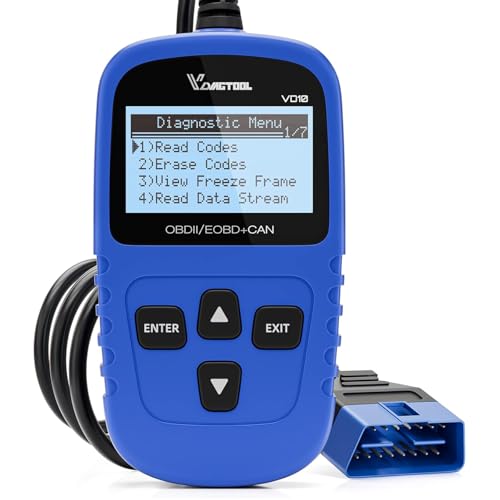
【A MUST-HAVE TOOL FOR DIYERS】 - VDIAGTOOL VD10 car code reader is an incredibly useful obd scanner for each car owner or hobbyist, even for those with little to no experience when it comes to vehicle mechanics! Similar to a fixd car diagnostic tool, using this car diagnostic scanner is extremely easy. All you have to do is attach it to your car OBDII port and you can diagnose car problems in seconds! Read Codes (DTCs); Clear Codes; Live Data; View Freeze Frame; I/M Readiness; Vehicle Information.

[Compact But Powerful]: AD100 is a powerful check engine code reader, it brings together many mainstream functions in one, can efficiently check the cause of the check engine light on, but also can accurately read the DTC, and clear the fault code. the car code reader has a DTC library, with 100000 DTC data for your reference

Step-by-step procedures linked to over 700 easy-to-follow photos and illustrations