
You’ll want to avoid Nissan Sentra models from 2000-2015 due to severe mechanical defects, particularly with CVT transmissions and engine failures. The 2008 model shows extensive electrical issues, while 2012-2015 versions suffer from costly transmission repairs up to $4,000. Even 2017-2019 models exhibit persistent CVT problems and brake system failures. To make a smart purchase decision, understanding the specific issues across different model years can protect your investment.
The Most Problematic Early 2000s Sentra Years (2000-2003)
While the Nissan Sentra has maintained a long production history, the 2000-2003 models stand out as particularly troublesome years due to widespread mechanical failures. You’ll find these models plagued by transmission failures, especially in the CVT system, which often fails around the 100,000-mile mark. Engine issues are equally concerning, with frequent catalytic converter problems and multiple sensor malfunctions, particularly in the crankshaft and camshaft components. This period was notably better than the blown head gaskets commonly seen in 2004-2005 models. The 2000 model year is especially problematic, with seven official recalls affecting nearly 292,000 vehicles. Similar to the Rogue’s class action lawsuit over transmission defects, the Sentra faced numerous complaints about CVT reliability during this period. Much like the problematic 2013 Altima that garnered over 3,000 complaints, these Sentra models developed a poor reputation for reliability. These recalls address critical issues like front suspension defects and tie-rod failures. You’ll also encounter persistent electrical problems, including faulty Mass Air Flow sensors and multiple component failures that lead to poor engine performance and increased maintenance costs.
Critical Issues in Mid-2000s Models (2004-2005)
Although the 2004-2005 Sentra models promised improvements over their early-2000s predecessors, these years introduced serious mechanical defects centered around engine and transmission failures. You’ll find widespread reports of blown head gaskets costing up to $2,000 to repair, with engines consuming oil at an alarming rate of 1 quart per 1,200 miles. The automatic transmission exhibits critical issues including high RPMs, delayed shifting, and metal contamination in the fluid.
The problems extend beyond powertrain concerns. You’ll encounter failed crankshaft position sensors ($400 repair), alternator failures ($700 repair), and premature suspension wear. While some well-maintained units have reached up to 350,000 miles, these systemic issues not only compromise safety but notably reduce resale value. While basic reliability ratings remain decent, the frequency of major repairs makes these model years particularly risky investments.
Understanding the 2008 Sentra’s Major Defects
The 2008 Nissan Sentra exhibits a complex array of mechanical and electrical defects that surpass the troublesome issues found in earlier mid-2000s models. The vehicle’s above-average reliability rating from RepairPal is notably diminished by these problems.
You’ll encounter persistent electrical glitches affecting the A/C blower motor, which operates erratically and often requires dashboard impact to function. These problems typically stem from faulty wiring connections. Similar to the transmission failures that plagued Frontier models of the mid-2000s, the Sentra faces its own set of critical issues. Engine defects manifest through multiple critical issues, including malfunctioning ignition coils, throttle body problems, and failed mass air flow sensors – all contributing to rough running conditions and performance issues. The model’s reliability is further compromised by recurring TPMS warning light malfunctions and significant brake system concerns. Most concerning are the multiple recalls addressing crankshaft sensors, camshaft sensors, and fuel pump defects that can lead to engine stalling or complete failure.

HIGH-QUALITY: Every Single Keyless Entry Remote Control Car Key Fob is Fully Pre-tested by Professional Locksmith Tools before Shipping. All Our Key Fobs are Pre-installed with Battery and Electronics.

【High Quality】A ABIGAIL Air Intake Hose Intake Duct Tube is made of high-quality rubber which is urable and resists the drying and cracking, provides a long service life.

The Troubled Years: 2012-2015 Sentra Models
During model years 2012-2015, Nissan Sentra owners faced widespread transmission failures that plagued the vehicle’s reliability and performance. Over one-third of 2012 models and nearly half of 2013 models reported severe transmission issues, with repair costs reaching $4,000. The 2013 redesign, marking the seventh generation, proved especially problematic.
Reliability ratings showed concerning disparities. While J.D. Power awarded “great” reliability scores, Consumer Reports gave the 2014 model a low 2/5 rating. CarComplaints.com explicitly warned against purchasing 2013 models due to persistent defects. Beyond transmission failures, owners reported faulty blower motor relays, starter problems, and strut issues. Much like the steering fluid leaks that troubled early Chevy Traverse models, these mechanical issues severely impacted driver satisfaction. The 2012 model’s moderate safety ratings, including four stars overall in government crash tests, further complicated the Sentra’s troubled reputation during these years. Like its smaller sibling the Versa, CVT transmission problems were particularly prevalent and expensive to repair during this period.

The exact original equipment manufacturer fluid that your vehicle came with; use where nissan cvt ns-3 fluids are required in nissan, infiniti, and other make vehicles

Reduce Friction: Our shifter cable bushing can reduce friction of the shift rod linkage, making shifting smoother. You don't need to replace the entire shift cable to repair it, which really saves money and time

OEM: OEM 14104, 15276979, 52855956AG replacement parts.
Examining the 2016 Sentra’s Persistent Problems
Following its troubled predecessors, Nissan’s 2016 Sentra emerged with deeply rooted mechanical flaws centered around its problematic CVT transmission system. You’ll notice transmission reliability issues through symptoms like power loss, stalling, and jerky acceleration – often leading to complete transmission failure requiring expensive repairs. The problems don’t stop there. You’re likely to encounter brake failure through a faulty master cylinder, creating dangerous situations with spongy pedal feel and compromised ABS performance. The suspension system compounds these concerns with failing front struts that produce poor handling and uncomfortable ride quality. Consumer ratings consistently warn against this model year, with most owners reporting multiple major repairs within the first few years of ownership. Like the 2013 Hyundai Elantra, mechanical issues plague this vehicle with suspension problems and engine faults that require costly repairs.

[Reference Number]2705A015, 2824A02, 2824A006, 2824A007, 2920A096, 31397-1XF0D, 31726-1XF00, 31728-1XF02, 31728-1XF03, 31728-1XF0A, 31728-1XH0A, 31728-1XZ0D, 5191890AA, 92724H, JF011E, RE0F10A,RE0F10B (FITMENT NOTE: This kit fits the JF011E / RE0F10A CVT transmission ONLY. It does NOT fit vehicles with the newer RE0F10D / JF016E / JF017E CVT (used in some 2016+ models). Please verify your transmission model before ordering.)

{Fitment}: ammtiuny Transmission Overhaul Master Rebuild Kit RE0F10A , JF011, 5191890AA ,31728-1XF02 For 1993-2022 Altima 2..0/2.4/2.5/3.5L, For 2011-2016 Juke 1.6L, For 2007-2011 Maxima 3.5L, For 2008-2014 Murano 3.5L, For 2013-2016 NV200 2.0L, For 2013-2014 Pathfinder 2.5/3.5L, For 2008-2018 Rogue 2.5L, For 2014-2015 Rogue Select 2.5L, For 2007-2012 Sentra 2.0/2.5L, For 2007-2018 X-Trail 2.0/2.5L, For 2007-2012 Caliber 1.8/2.0/2.4L, For 2007-2014 Compass 2.0/2.4L, For 2007-2011 Patriot 2.0/2.4L, For 2007-2011 Galant 2.4/3.8L, For 2007-2011 Outlander 2.4/3.0L, For 2011 RVR 2.0L, For 2009-2011 Koleos 2.5L, For 2010-2016 Kizashi 2.4L.

Rebuilds And Restores Metal Parts And Protects Them From Future Wear.
Red Flags in Recent Model Years (2017-2019)
Moving beyond 2016’s issues, Nissan’s 2017-2019 Sentra models continued to exhibit significant mechanical red flags, with transmission problems remaining at the forefront. The CVT issues manifested through jerky acceleration, harsh lurching, and unresponsive behavior, leading to widespread failures and costly repairs.
You’ll also need to watch for brake problems, particularly the master cylinder failures that cause excessive pedal travel. The ABS system’s sporadic malfunctions pose additional safety concerns, especially in adverse weather conditions. Much like the excessive oil consumption that affected 2013 Subaru Outbacks, these persistent issues often led to owner complaints and class action lawsuits. Electrical glitches further complicate these models’ reliability, with frequent dashboard warnings related to mass airflow sensors, tire pressure monitors, and traction control systems. While some sensor-related problems stem from simple connection issues, the combination of CVT troubles, brake system faults, and persistent electrical warnings makes these model years particularly problematic for potential buyers. Like the Engine Control Module failures that plagued early 2000s Toyota RAV4s, these transmission and electrical problems often require expensive component replacements.

Meets the challenging demands of most belt and chain-driven continuously variable transmissions
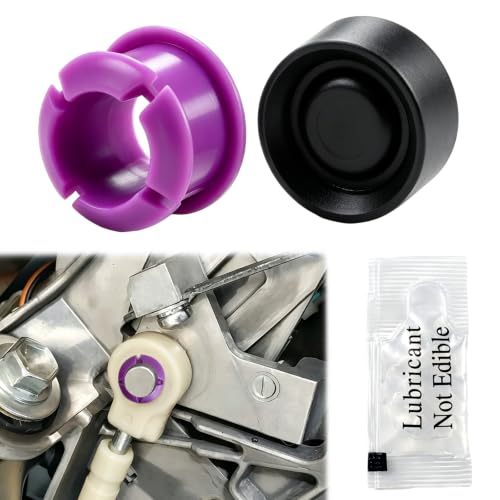
Transmission Shift Cable Bushing Replacement: The bushing is designed to replace a damaged or failed cable bushing in the transmission of specific vehicle models, resolving gear-shifting issues caused by the failure. Must-have component for ensuring the vehicle can start and shift gears properly

【Durable Material】 The gearbox shift link cable bushing repair kit is made of high-quality nylon composite material, which has excellent wear resistance, oil resistance, and corrosion resistance. It can significantly extend the service life, avoid frequent replacement, and ensure the accuracy and stability of the gear shifting operation
Making a Smart Sentra Purchase: Best and Worst Years
A thorough analysis of Nissan Sentra reliability data reveals clear patterns of which model years to pursue or avoid. You’ll want to steer clear of the 2000-2005 models due to chronic engine failures, defective crank sensors, and costly head gasket issues. The 2012-2015 era presents considerable risks with widespread CVT transmission failures and drivetrain problems, particularly in the 2013 model year. Like the Mustang II generation of the 1970s, these problematic Sentras faced significant performance and design compromises. Similar to the transmission hiccups seen in recent Armada models, these issues require careful consideration when shopping used vehicles. For used car tips, focus your search on 2016 and newer models, with the 2020 redesign being the ideal choice. These later models feature improved CVT reliability, enhanced safety ratings, and better build quality. The eighth-generation Sentra (2020-2024) stands out as the safest bet, offering superior technology integration and noticeably fewer mechanical issues than its predecessors.

𝗩𝗲𝗵𝗶𝗰𝗹𝗲 𝗰𝗼𝗺𝗽𝗮𝘁𝗶𝗯𝗶𝗹𝗶𝘁𝘆: Nissan Sentra (2020, 2021, 2022, 2023, 2024) models with push-to-start ignition.

Compatible with 2020 2021 2022 2023 2024 Nissan Sentra S, SV, SR (Fit Nissan Sentra, Original Style). The 45W Fast Wireless charger is compatible with all smartphones with USB-A (QC 3.0+) charging port, USB-C (PD 3.0+) charging port and wireless charging mode, such as iPhone, Galaxy, etc., and can charge three phones at the same time (make sure your phone supports wireless charging)

【Fit for 2022-2020 Nissan Sentra accessories interior】The Center Console Cover fit for your 2022 2021 2020 Nissan Sentra .Please make sure your model fits it before you place your order .