
You should avoid the 2001-2004 Chrysler Sebring models, which suffer from catastrophic oil sludge buildup in their 2.7L V6 engines, causing failures around 73,000-94,000 miles with repair costs averaging $3,800-$4,800. The 2002 model ranks among the worst, while 2007-2010 versions also present reliability concerns with throttle body and wheel bearing issues. In contrast, the 1996-2000 first generation with the 2.4L four-cylinder engine offers the best reliability. The sections below reveal specific warning signs and mechanical failures you’ll need to identify.
The Worst Chrysler Sebring Model Years to Steer Clear Of
While Chrysler produced the Sebring from 1995 to 2010, certain model years stand out as particularly problematic and warrant careful avoidance. The 2001 model leads with the most overall complaints, primarily due to common oil sludge causing engine failures at 85,000 miles with repair costs averaging $4,800. The 2002 and 2004 models share similar fates, experiencing engine failures from oil sludge at 94,000 and 73,000 miles respectively, costing $4,000 and $3,800 to repair. The entire 2007-2010 generation presents reliability concerns with throttle body problems and front wheel bearing failures. Additionally, the 2006 model demonstrates electrical issues, particularly with the horn malfunctioning spontaneously, accumulating 64 complaints. The 2002 model is actually rated worse than the 2001 model due to factors like higher repair costs relative to vehicle value and problems occurring at lower mileage. These years represent the highest-risk options for prospective buyers.
Why the 2001-2006 Sebring Generation Has the Most Problems
The 2001-2006 Chrysler Sebring generation earned its position as the model’s most problematic era through a combination of fundamental engineering flaws and widespread component failures. The 2.7L engine’s notorious engine sludge caused over 250 documented engine failures, while transmission troubles required frequent costly flushes and repairs. Electrical failures plagued power windows, central locking, and UConnect systems throughout the generation’s lifespan. Corrosion issues weakened structural integrity around hoods, trunks, and wheel arches, compounding maintenance expenses. Safety concerns emerged from airbag random deployments and potential electrical fire risks. The TIPM electrical malfunctions added another layer of complexity to an already troublesome ownership experience. With 1,180+ complaints filed and a dead-last reliability ranking of 29th out of 29 models, this generation’s problems extended beyond typical wear items like CV joints and wheel bearings to systemic design deficiencies that made ownership financially burdensome.

Deep engine cleaning: Removes deposits, sludge, and gunk from your engine's oil system for improved performance

Protects the catalytic converter from clogging with soot.

INDUSTRIAL CITRUS POWER (CLDSPRAY103SW): High strength aerosol degreaser breaks down heavy grease, oil, grime, and surface buildup on engines, tools, suspension parts, undercarriage components, and metal assemblies with fast acting citrus cleaning performance
Common Mechanical Failures Across All Sebring Generations
Beyond the particularly troubled 2001-2006 generation, every Sebring model year shares recurring mechanical failures that plague owners regardless of production era. Common electrical failures dominate owner complaints, including instrument cluster malfunctions, alternator defects, and central locking system breakdowns. These issues affect models from 2007-2010 just as frequently as earlier versions.
Mechanical wear issues present equally concerning patterns. You’ll encounter front wheel bearing failures that produce humming noises and trigger ABS warning lights. Window regulators fail consistently, preventing proper window operation. Transmission problems appear across automatic models, with slipping gears and sensor failures forcing vehicles into limp mode. The HVAC system suffers from blend door actuator failures and AC condensation drain blockages. The occupant restraint control module can fail due to moisture affecting electrical components, illuminating the airbag warning light and creating safety concerns. Similar to issues found in other vehicles, water pump failures represent another common mechanical weakness that can lead to cooling system breakdowns. Proper maintenance and checking for outstanding recalls remain crucial for mitigating many known risks, as demonstrated by recurring airbag recalls that have affected multiple vehicle manufacturers and model years. Even brake systems experience grinding noises, particularly when wet, creating safety concerns for Sebring owners.

【Vehicle Fitment】Fit for 2011-2014 Chrysler 200 (Front), 2007-2010 Chrysler Sebring (Front; 4-Wheel ABS), 2008-2014 Dodge Avenger (Front), 2009-2009 Dodge Caliber (Front). Please utilize Amazon's Part Finder Tool (Year/Make/Model) at the top of the page to confirm compatibility before ordering

Front Wheel Bearing Hub Replacement for 2011 2012 2013 2014 Chrysler 200 (4-Wheel ABS) - [2007 2008 2009 2010 Chrysler Sebring (4-Wheel ABS)] - 2008 2009 2010 2011 2012 2013 2014 Dodge Avenger (4-Wheel ABS)

NOTE - Before placing yourorder, please refer to the “ConfirmedFit” ban-ner at the top of the page. Select your vehicle's “Year, Make, Model,” then click “Confirm” to display compatibility-results. Or read the VEHICLE FITMENT description on the page to ensure a complete match
The Most Reliable Chrysler Sebring Years Worth Considering
Despite the Sebring’s troubled reputation, certain model years demonstrate considerably better reliability metrics that make them viable options for budget-conscious buyers. The 1996–2000 first generation ranks highest in Sebring history, achieving 14th out of 29 in Chrysler reliability rankings. These models feature the dependable 2.4L four-cylinder engine, which reaches 200,000 miles with proper maintenance while avoiding the catastrophic oil sludge issues plaguing later generations.
The 2007–2010 third generation offers moderate improvement, ranking 20th among Chrysler models with only 211 owner complaints versus 1,180 from preceding years. You’ll find better engineering and enhanced features during this period. The latest generation delivers up to 30 mpg with its efficient 2.4L engine option, providing better fuel economy than previous iterations.
Regardless of year, prioritize the 2.4L inline-four engine and avoid the problematic 2.7L V6 entirely. Regular synthetic oil changes prove critical for longevity.

Fits for Chrysler Cirrus 1995-2000 / for Chrysler Sebring 1996-1998 / for Chrysler Sebring 2001-2006 / for Dodge Neon 2003-2005 / for Dodge Stratus 1995-2006 / for Plymouth Breeze 1997-2000 L4 2.4L -- L4 2.4L

Replacement for 1995-2000 Chrysler Cirrus (4 Wheel Disc) - [1996-2000 Chrysler Sebring (Convertible -4 Wheel Disc)] - 1995-2000 Dodge Stratus (4 Wheel Disc) - [1996-2000 Plymouth Breeze (4 Wheel Disc)]

CERAMIC MATERIAL: The brake pad kit we provide comes with a magnet. When the magnet is close to the brake pads, it does not attract. Therefore, it can be determined that the HUSCH brake pads are made of ceramic and do not contain metal.
Critical Warning Signs When Buying a Used Chrysler Sebring
While certain model years demonstrate acceptable reliability, prospective buyers must conduct rigorous pre-purchase inspections to identify common failure points that plague the Sebring lineup. Check engine oil cap and dipstick for brown, thick deposits indicating oil sludge—particularly critical in 2001-2004 models where sludge causes engine failure averaging $3,800-$4,800 in repairs. Test all electrical components systematically: horn function, power windows, central locking, and UConnect screen responsiveness, as electrical issues frequently manifest in TIPM malfunctions affecting multiple systems. Inspect front wheel bearings by checking for play and listening for humming noises, especially in 2007-2010 models. Verify air conditioning operation and examine for compressor clutch engagement. Request complete maintenance records documenting regular synthetic oil changes, as prevention history directly correlates with engine longevity beyond 73,000 miles. Examine the front axle components carefully, as ball and silent blocks typically require replacement every 40,000 to 80,000 km due to normal wear patterns.

DESIGNED FOR ENGINES WITH PLASTIC COVERS: Expanding foam cleaner spray is specially formulated to be safe on plastic covers, under-hood rubber, and paint — spray confidently without risking damage

Engine Degreaser: Kraken Engine Cleaner is a great product for removing burned oil from around the edges of your valve covers or the dirt cooked onto the top of the engine cover.

High-Efficiency Cleaning: This automotive air cleaning gun is specifically designed for cleaning car engines. Utilizing an efficient siphon spray mechanism, it generates a powerful jet of water or cleaning solution to quickly flush away stubborn oil sludge and dust from the engine compartment
How the Third Generation (2007-2010) Compares in Reliability
The third generation Chrysler Sebring (2007-2010) occupies a middle position in reliability between its problematic predecessor and the relatively stable first generation. With 211 total complaints compared to the second generation’s 1180, third generation upgrades clearly addressed some chronic issues. However, its 20th place ranking out of 29 Chrysler models indicates below-average dependability. The PainRank of 14.36 falls between the second generation’s catastrophic 50.31 and the first generation’s 5.52, demonstrating reliability improvement trends without achieving excellence. Engine problems remain the dominant concern, though less severe than the second generation’s oil sludge failures. You’ll also encounter HVAC system faults and transmission issues. Like the Maserati GranTurismo’s transitional years around 2017-2019, the Sebring’s third generation faced challenges with mechanical changes that impacted overall reliability. Consumer ratings reflect this inconsistency—some owners report economical operation while others document repeated repairs and premature engine replacements. This generation experienced multiple recalls addressing safety concerns, including electrical connector corrosion that created engine stalling risks and coolant contamination issues that posed fire hazards. Owners should be particularly cautious of engine stalling problems, as these create dangerous situations similar to those experienced by Chrysler 200 drivers whose vehicles cut out unexpectedly while driving.

[PRECAUTIONS PURCHASE]: Please use Amazon's Your Garage function and verify the fitment of the autopart by the year/make/model of your vehicle and the OE number of the replaceable part.
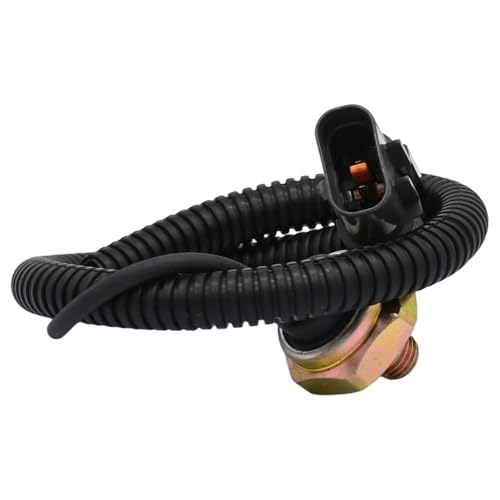
[Replaces Part Number:] 5S2184 S8743 Su5270 Ks142 # Md304933 .Please Check The Oem Number And Make Sure Your Matches This Before Buying!